What Is a Spiral Wound Membrane?
Spiral wound membranes deliver exceptional versatility, seamlessly integrating to both process separation and wastewater treatment applications.
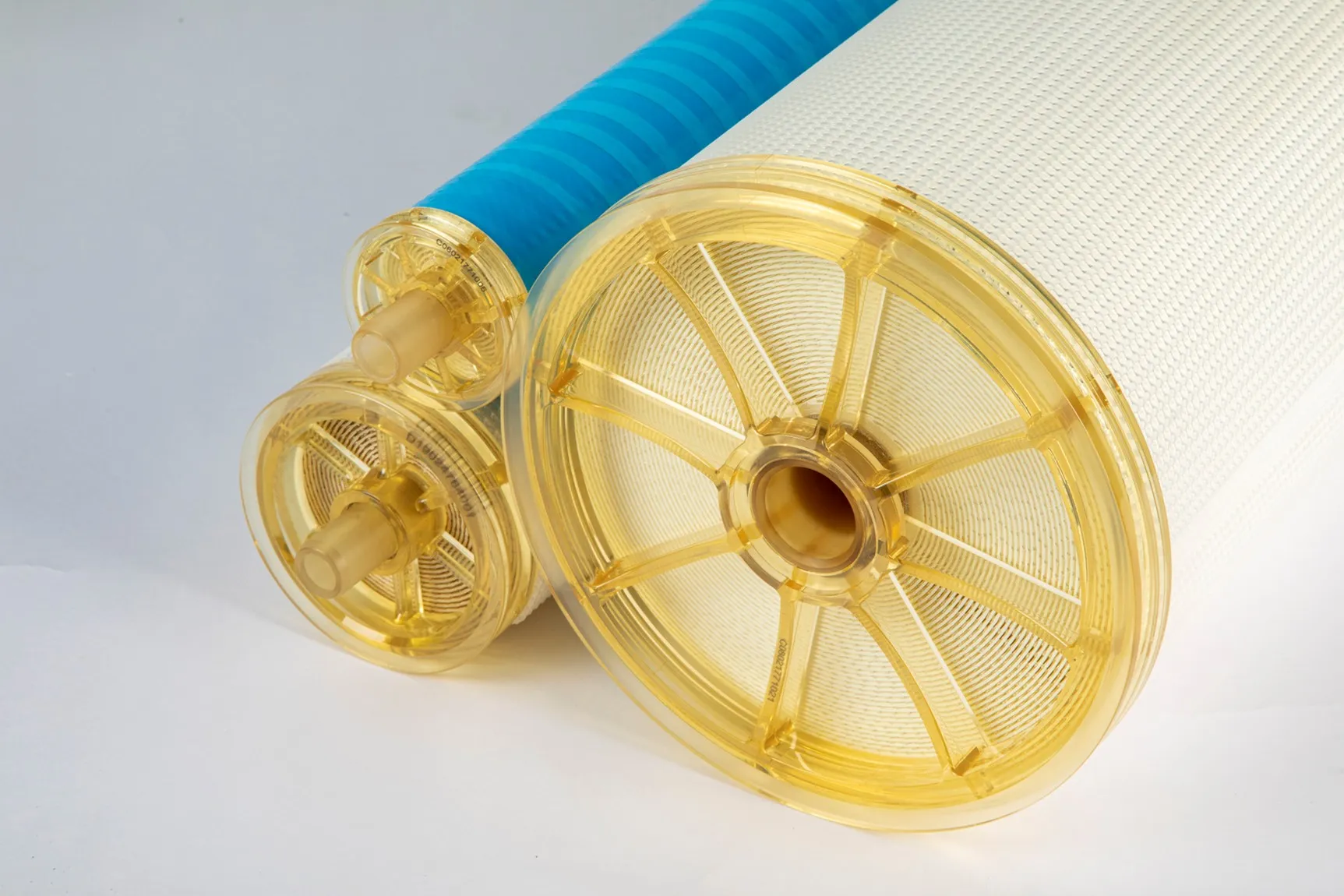
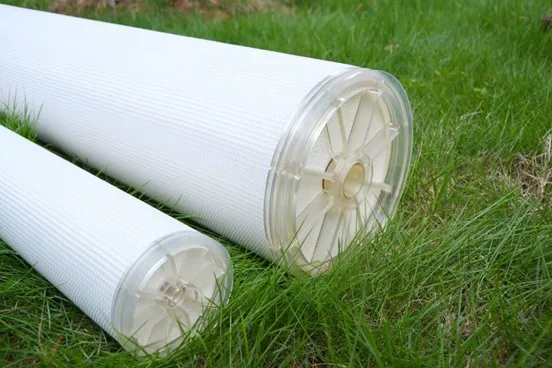
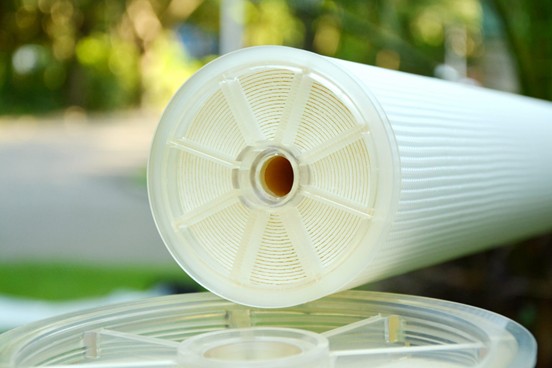
Spiral wound membranes are a type of separation membrane that utilize a semi-permeable barrier to achieve selective filtration. These membranes are constructed with several key components: a feed spacer, a permeate spacer, and a permeate tube. The membrane is wrapped around the central permeate tube in a spiral configuration. They come in various sizes, commonly including 1812, 2540, 4040, and 8040, each suited to different applications and flow requirements.
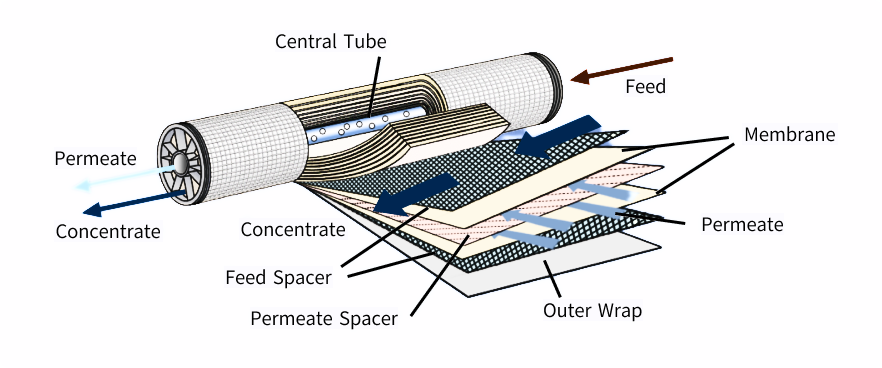
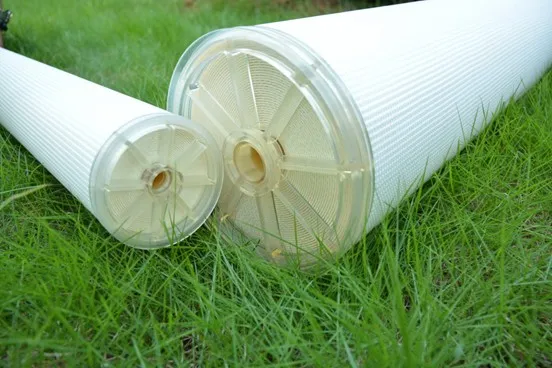
The 1812 Spiral Wound Membrane measures 12 inches in length and has a diameter of 1.8 inches. The 2540 Spiral Wound Membrane measures 40 inches in length with a diameter of 2.5 inches. This specification is primarily used for pilot testing to assess the viability of new applications. It is also used in localized settings, such as small desalination units and pure water production for laboratory use.
The 8040 Spiral Wound Membrane measures 40 inches in length with a diameter of 8 inches. The 4040 Spiral Wound Membrane measures 40 inches in length with a diameter of 4 inches. These sizes are widely used in many industrial applications, with pressure vessels housing multiple membranes.
Applications for Spiral Wound Membrane
Key Benefits of Spiral Wound Membrane
- A myriad of available membranes ensures excellent separation performance.
- Strong anti-fouling properties.
- A variety of feed spacers tailored to accommodate a wide range of viscosities and foulants.
- Stable permeate quality, ensuring consistent and reliable output over time.
- Made with high quality raw materials on automated production lines, under stringent quality management systems.